Author
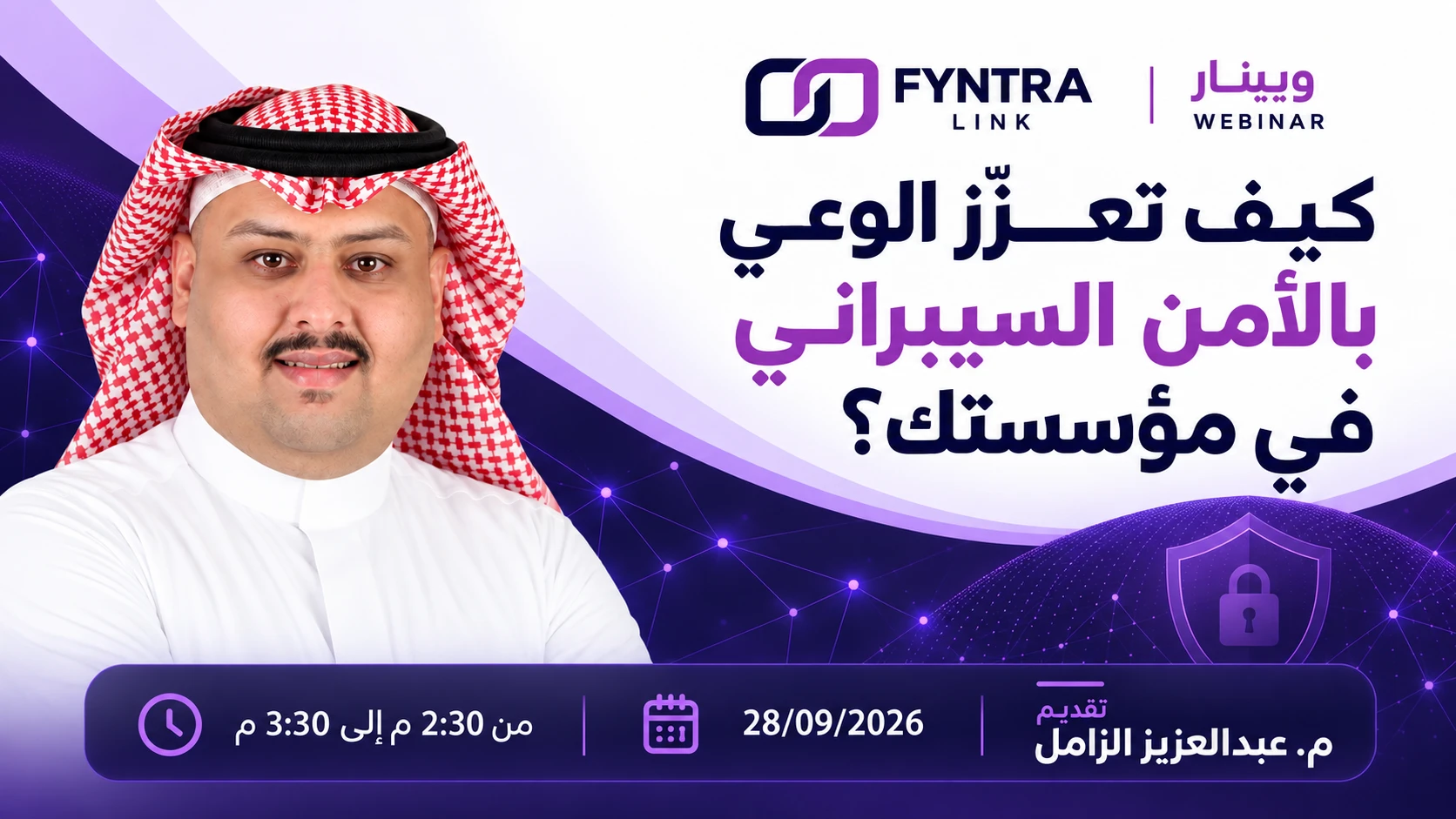
Abdulaziz Alzamil
Founder & CEO, Fyntralink
Abdulaziz Alzamil is the founder and CEO of Fyntralink and writes the Fyntralink blog: analysis of vulnerabilities and cyber threats and what they mean for Saudi organisations, readings of regulatory frameworks such as the NCA Essential Cybersecurity Controls and the Personal Data Protection Law, and pieces on AI and software engineering.
400 articles
Chrome Zero-Day CVE-2026-5281: WebGPU Exploit Chain Threatens Saudi Financial Institutions
Google's fourth zero-day of 2026 targets Chrome's WebGPU layer via a use-after-free in Dawn. CISA added it to the KEV catalog — here's what Saudi banks and financial institutions must do now.
Cloud & IdentityEverest Ransomware Steals 910GB from Nissan via Stale FTP Credentials — A Third-Party Risk Wake-Up Call for Saudi Banks
Everest ransomware exfiltrated 910GB of Nissan customer and loan data through a vendor FTP server with 3-year-old credentials and no MFA. Here's what Saudi financial institutions must learn about third-party risk management.
VulnerabilitiesProgress ShareFile Pre-Auth RCE Chain: 30,000 Servers Exposed and Saudi Banks Must Patch Now
Two chained ShareFile flaws give attackers full server control without credentials. With 30,000 instances exposed globally, Saudi financial institutions running on-premise ShareFile must act before exploitation campaigns begin.
VulnerabilitiesCisco IMC CVE-2026-20093: CVSS 9.8 Auth Bypass Puts Saudi Bank Server Infrastructure at Risk
A single crafted HTTP request can hand an attacker full admin access to your Cisco UCS servers. CVE-2026-20093 scores 9.8 CVSS and has no workaround — only a firmware update. Here's what Saudi bank infrastructure teams must do right now.
VulnerabilitiesInterlock Ransomware Exploited Cisco FMC Zero-Day for 36 Days Before Disclosure — Saudi Banks Must Audit Now
Interlock ransomware weaponized a CVSS 10.0 Cisco Firewall Management Center flaw for over a month before Cisco disclosed it. Saudi banks relying on Cisco firewalls face immediate exposure — here is what your SOC team must do today.
VulnerabilitiesMicrosoft Patches Four Critical Azure Flaws at CVSS 10.0 — Saudi Banks on Azure Must Act Now
Microsoft disclosed four critical Azure vulnerabilities — two scoring a perfect CVSS 10.0 — affecting AI Foundry, Kubernetes Service, Custom Locations, and MCP Server. Saudi banks running workloads on Azure face urgent remediation requirements under SAMA CSCC.
VulnerabilitiesFortiClient EMS Zero-Day CVE-2026-35616: CVSS 9.1 Pre-Auth RCE Under Active Exploitation
Fortinet's emergency hotfix for CVE-2026-35616 confirms active zero-day exploitation of FortiClient EMS. Saudi banks running versions 7.4.5–7.4.6 face unauthenticated remote code execution risk.
Malware & Threat ActorsFake Claude Code Leak on GitHub Delivers Vidar Stealer — Why Saudi Bank Dev Teams Must Vet Every Download
A fake Claude Code repository on GitHub is delivering Vidar infostealer and GhostSocks proxy malware to developers who download it. Here's what Saudi bank security teams need to know — and do — right now.
Artificial IntelligenceLiteLLM Supply Chain Attack: How TeamPCP and Lapsus$ Breached 500,000 Machines Through an AI Library Saudi Banks May Be Running
A 40-minute window was all it took. TeamPCP poisoned LiteLLM's PyPI packages and set off a cascade that compromised 500,000 machines, 1,000+ SaaS environments, and handed Lapsus$ 4TB of data from AI startup Mercor.
Malware & Threat ActorsWhatsApp Spyrtacus Alert: How Government-Grade Spyware Is Targeting Mobile Apps Saudi Banks Use Every Day
Meta's WhatsApp has flagged a government-grade spyware campaign using a counterfeit iOS app to harvest messages, calls, and recordings from targets' devices. For Saudi financial institutions relying on WhatsApp for business communications, the compliance and security implications are immediate.
Malware & Threat ActorsHandala Wiped 200,000 Stryker Devices in Minutes — The Intune Attack Vector Saudi Banks Cannot Ignore
On March 11, 2026, Iran-linked Handala triggered simultaneous factory resets on 200,000+ corporate devices at Stryker using Microsoft Intune. If your bank runs Azure AD, this attack vector is already in your environment.
Breaches & Data LeaksDrift Protocol's $285M Hack: Why Saudi Financial Institutions Must Rethink DeFi Exposure Now
North Korean-linked attackers executed a $285M exploit against Solana's Drift Protocol using fake tokens, oracle manipulation, and governance hijacking — the largest DeFi hack of 2026. Here's why Saudi FIs must reassess their digital asset risk posture.